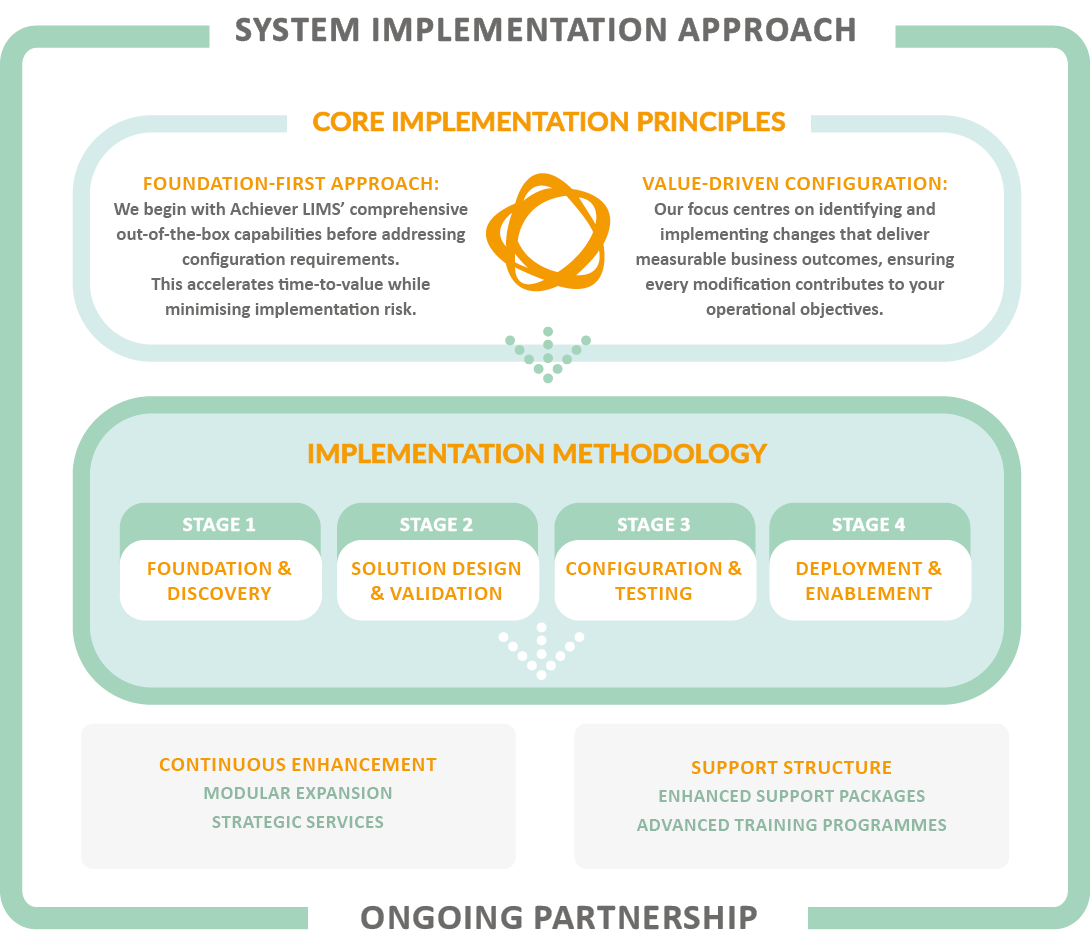
Implementing a Laboratory Information Management System (LIMS) is one of the most transformative steps a lab can take. Whether you are moving away from spreadsheets or replacing an outdated system, the process can feel overwhelming. But with the right preparation and a clear strategy, your lab can transition smoothly to a modern, more efficient, fully compliant workflow.
Below are ten essential tips to help guide your lab through a successful LIMS implementation, from early planning to long‑term optimisation.
1. Define clear objectives from the start
Before any configuration begins, take time to articulate exactly what you want your LIMS to achieve. Many labs aim to reduce manual data entry and administrative load, improve sample traceability, or strengthen audit readiness. Others want to eliminate bottlenecks, improve turnaround times, or gain better visibility of workloads.
Whatever your priorities, defining them early ensures the system is designed around your real needs rather than generic assumptions. Clear objectives also help keep the project focused and aligned across teams.
2. Map existing workflows
A LIMS should support the way your lab operates not force you to change processes unnecessarily. Spend time documenting how samples move through your lab today, from receipt to reporting. Identify where delays occur, where data is duplicated, and where errors are most likely to happen.
This mapping exercise not only highlights opportunities for improvement but also ensures the new system reflects the practical realities of your day‑to‑day operations. The more accurate your workflow mapping, the smoother your configuration and user adoption will be.
3. Involve the right people early
Successful LIMS projects are built on collaboration. Involve representatives from across the organisation early in the process, lab technicians, quality managers, IT, management, and remote teams if they interact with sample data.
Each group brings valuable insight into how the system should function. Early involvement also builds ownership and reduces resistance to change later on. When people feel heard and included, they are far more likely to embrace the new system.
4. Prioritise data quality and migration
Data migration is often one of the most time‑consuming parts of a LIMS project, especially for labs moving from spreadsheets or legacy systems. Clean, consistent data is essential for a smooth transition.
This means reviewing existing datasets, removing duplicates, standardising naming conventions, and validating historical results. It’s worth investing the time here, poor‑quality data can undermine even the best‑configured LIMS. Think of it as laying the foundation for everything that follows.
5. Start with core functionality, then expand
It’s tempting to configure every feature and module from day one, but labs often see better results when they start small. Focus first on the essential workflows: sample logging, test scheduling, result entry, and reporting.
Once your team is confident with the basics, you can gradually introduce more advanced features such as automation, instrument integration, or customer portals. This phased approach reduces overwhelm and helps users build confidence step by step.
6. Invest in training and change management
Even the most intuitive LIMS won’t succeed without proper training. Make sure every user understands not just how to use the system, but why certain processes exist. Tailor training to different roles, what a lab technician needs to know is very different from what a quality manager or administrator needs. Encourage questions, provide refresher sessions, and create a culture where feedback is welcomed. Effective change management is just as important as the technology itself.
7. Keep communication open throughout
Clear, consistent communication is one of the most underrated success factors in LIMS implementation. Regular check‑ins with your provider and internal team help ensure everyone stays aligned. Share progress updates, discuss challenges early, and celebrate milestones along the way. Transparent communication reduces surprises, builds trust, and keeps the project moving forward smoothly.
8. Test thoroughly prior to go-live
User acceptance testing (UAT) is your opportunity to ensure the system works exactly as expected. Don’t rush this stage. Test real‑world scenarios, busy seasonal periods, unusual test combinations, audit‑ready reporting, and data exports for customers or regulators. The more realistic your testing, the more confident your team will feel on go‑live day. Thorough testing also helps catch issues early, when they are easier and cheaper to resolve.
9. Plan for post‑implementation support
A LIMS isn’t something you install once and forget about. Your lab will evolve, regulations will change, and new workflows will emerge. Make sure you have access to ongoing support, updates, and optimisation.
A good LIMS partner will continue working with you long after go‑live, helping you adapt the system as your needs grow. Planning for long‑term support ensures your investment continues delivering value year after year.
10. Choose a LIMS partner who understands your business
Every lab faces unique challenges, seasonal sample surges, traceability issues, diverse sample types, and strict regulatory requirements. Working with a provider who understands these realities makes a huge difference. A sector‑experienced partner can anticipate your needs, recommend best practices, and configure workflows that genuinely reflect the way your lab operates. This expertise can be the difference between a system that simply works and one that truly transforms your lab.
Final thoughts on successful LIMS implementation
A successful LIMS implementation is a journey built on preparation, collaboration, and continuous improvement. By taking a structured approach, from defining objectives to planning long‑term support, your lab can transition confidently from spreadsheets or outdated systems to a modern, efficient, and fully traceable digital workflow.