Two days, one exhibition stand, a spot on stage and plenty to talk about It's nearly time to pack our bags, dust off our exhibition shoes and head to Birmingham... read more →
Stage by Stage: Why implementing Achiever LIMS doesn’t need to disrupt your lab Changing a Laboratory Information Management System (LIMS) is often seen as one of the most challenging projects... read more →
Agritech laboratories can handle large numbers of samples across a wide range of testing activities, from soil and crop analysis to seed testing and environmental monitoring. As sample volumes increase,... read more →
Walk into a lab in the 1970s and, at first glance, it wouldn't feel entirely unfamiliar. There would be microscopes lined along the benches, glass pipettes drying in racks, centrifuges... read more →
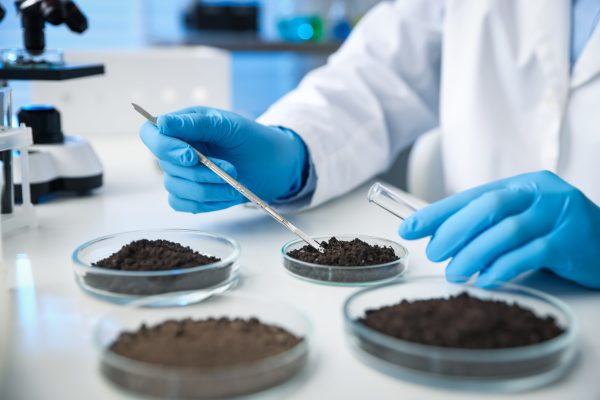
Soil testing laboratories play a vital role in construction, infrastructure, environmental and agricultural projects. Whether assessing the suitability of land for development, determining earthworks specifications or evaluating ground conditions for... read more →
Digital transformation is no longer just about replacing paper-based processes. Today's organisations need systems that work together seamlessly, allowing data, workflows and decisions to move securely across applications, departments and... read more →
Implementing a Laboratory Information Management System (LIMS) is one of the most transformative steps a lab can take. Whether you are moving away from spreadsheets or replacing an outdated system,... read more →
Scaling with confidence: How a LIMS enables laboratory growth In today’s laboratory environments, growth is rarely linear. Whether driven by increasing sample volumes, expanding research pipelines, or stricter regulatory demands,... read more →
If you’ve ever tried to wrangle spreadsheets, sticky notes, and that one mysterious Excel file called ‘FINAL_v7_ACTUAL_FINAL.xlsx’ into something resembling a laboratory information management system… this one’s for you. Let’s... read more →
Let’s be honest, laboratory teams are brilliant at solving complex scientific problems. But when it comes to managing samples, data, and workflows, many labs are still juggling spreadsheets, paper notes,... read more →